

Laser eye surgery is a form of laser refractive surgery used to potentially correct vision problems such as short-sightedness (myopia), long-sightedness (hyperopia), and astigmatism. But how long does laser eye surgery last?
The duration of its outcomes may vary depending on multiple factors, including the specific type of laser eye surgery performed, the individual’s eye health, and natural changes that can occur over time.
This article outlines how long the laser eye surgery results may last and what factors might influence their longevity.
Understanding Laser Eye Surgery
Laser eye surgery is a group of laser refractive surgery procedures designed to correct refractive errors by reshaping the cornea. The cornea is the clear front surface of the eye and is responsible for focusing light rays onto the retina.
Light may focus accurately when the corneal shape is altered using a laser, potentially leading to improved vision. However, outcomes vary between individuals.
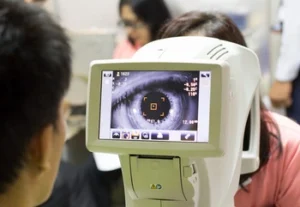 Common laser eye surgery procedures include:
- LASIK (Laser-Assisted in Situ Keratomileusis): Involves creating a flap on the cornea and reshaping the tissue underneath with an excimer laser.
- PRK (Photorefractive Keratectomy): Removes the cornea’s outer layer before reshaping the tissue beneath.
- SMILE® (Small Incision Lenticule Extraction): Uses a femtosecond laser to remove a small lenticule of corneal tissue through a tiny incision.
Each technique uses modern laser technology to increase the chances of achieving an improved vision.
How Long Does Laser Eye Surgery Last?
For many patients, laser eye treatment outcomes may last several years.
However, this does not necessarily mean that the surgery will maintain the same level of vision correction throughout life. The eyes continue to change as part of the natural ageing process, which can influence how long laser eye surgery lasts.
Factors That Influence How Long Laser Eye Surgery Lasts
Several factors may affect the longevity of laser eye surgery results:
- Age at the Time of Treatment: Laser vision correction performed when the eyes are stable (usually from the mid-20s onwards) may last many years. Younger individuals may still experience prescription changes as their eyes develop.
- Natural Ageing: As people age, presbyopia (difficulty focusing on close objects) can occur, often requiring reading glasses even after laser surgery.
- Vision Stability Before Surgery: A stable spectacle prescription before undergoing laser eye surgery is important for long-term results.
- Type of Procedure: LASIK, PRK, and SMILE differ in how they reshape the cornea, which may influence how the eyes adapt over time.
- Underlying Eye Conditions: Pre-existing eye diseases or conditions, such as dry eyes or cataracts, may affect the stability of the results.
- Lifestyle Factors: Participation in contact sports, prolonged exposure to bright lights, or hormonal changes can impact vision stability.
Does Laser Eye Surgery Wear Off Over Time?
Laser eye surgery does not “wear off” in the sense that the corneal reshaping reverses. Instead, natural changes in the eyes may cause vision to shift gradually. For example, age-related changes or hormonal fluctuations can lead to the need for reading glasses or minor touch-ups through follow-up procedures.
These changes are not a result of the laser correction itself wearing out, but rather the normal progression of the eye’s physiology.
Is Laser Eye Surgery Reversible?
The laser-induced reshaping of the corneal tissue is considered irreversible. However, your vision may still change over time due to other factors unrelated to the surgery. It’s important to recognise that while laser eye surgery alters the cornea, it does not prevent future eye conditions such as cataracts or presbyopia.
Some patients may maintain clear distance vision for many years, while others may require reading glasses later in life for close work.
What Happens If Vision Changes After Surgery?
Several treatment options may be available if vision changes occur years after the initial laser surgery. These may include enhancement procedures to fine-tune the correction or other treatments such as refractive lens exchange or cataract surgery in later years.
Your eye surgeon may evaluate your eyes and determine whether a follow-up procedure is recommended based on your current eye health and vision needs.
Post-Surgery Care and Maintaining Results
Proper aftercare is important in maintaining the benefits of laser vision correction. Following your surgeon’s post-operative instructions may help support the healing process and reduce the risk of complications.
 Typical aftercare recommendations include:
- Using prescribed eye drops as directed
- Attending all scheduled post-operative checks
- Avoiding rubbing your eyes
- Wearing protective eyewear
Good post-surgery habits and regular follow-up visits may help preserve vision quality for as long as possible.
Who Is a Potential Candidate for Favourable Results?
A potential candidate for laser eye surgery may have:
- A stable spectacle prescription for at least one to two years
- Healthy corneal thickness and no significant eye disease
- Realistic expectations about the results and potential future changes
Your eye surgeon will conduct a thorough assessment to determine if laser eye surgery is recommended for you.
Frequently Asked Questions
Does laser eye surgery hurt?
Anaesthetic eye drops are used to numb the eyes during the procedure, so you may feel slight pressure or movement but no severe discomfort.
Will glasses or contact lenses be needed after surgery?
Some individuals may require reading glasses or a minor prescription in later years, as natural ageing affects close-up vision.
Can laser eye surgery correct all types of vision problems?
 Laser eye surgery can correct short-sightedness, long-sightedness, and astigmatism. However, certain eye conditions or high prescriptions may require alternative treatment options.
Are results the same for short-sighted and long-sighted patients?
Both short-sighted and long-sighted patients can achieve clearer vision and reduced dependence on glasses or contact lenses. However, the degree of improvement can vary based on factors such as the level of correction required, corneal thickness, and individual healing response. In most cases, mild to moderate prescriptions tend to produce more predictable and stable outcomes.
Conclusion
When considering how long laser eye surgery lasts, it’s important to remember that while corneal reshaping is irreversible, natural vision changes can still occur with age or other factors.
Laser vision correction may be an option for many people seeking to potentially reduce their dependence on glasses or contact lenses.
By maintaining good eye health, attending follow-up appointments, and discussing any vision changes with your eye surgeon, you may experience stable vision and witness favourable results.
If you would like more information about laser eye surgery or to discuss whether you may be suitable for treatment, contact Dr Anton Van Heerden at 03 9000 0389 to arrange a consultation.
Note: Any surgical or invasive procedure carries risks. Before proceeding, you should seek a second opinion from an appropriately qualified health practitioner.
References
Healthdirect Australia. (2024, July). Laser Eye Surgery. Healthdirect. Retrieved October 14, 2025, from https://www.healthdirect.gov.au/laser-eye-surgery
Pinto-Garcia, P. (2025, October 8). How Long Does LASIK Eye Surgery Last? Is LASIK Permanent, or Does It Wear Off as You Get Older? GoodRx. Retrieved October 14, 2025, from https://www.goodrx.com/health-topic/eye/how-long-does-lasik-eye-surgery-last
Yetman, D. (2021, February 4). Does Laser Eye Surgery (LASIK) Hurt? Healthline. Retrieved October 14, 2025, from https://www.healthline.com/health/does-laser-eye-surgery-hurt


Recent Comments