

Experiencing a retinal detachment can be a sudden and concerning event. If you have recently undergone retinal detachment surgery, you may have questions about what to expect during recovery and how your daily life might be affected. Understanding life after retinal detachment surgery is important for supporting your healing and maintaining your eye health.
This article will explore life after retinal detachment surgery, outlining what to expect during recovery, lifestyle adjustments, vision changes, and ways to support your long-term eye health.
Understanding Retinal Detachment
Retinal detachment occurs when the retina, the light-sensitive layer at the back of the eye, becomes separate from the underlying tissue.
A detached retina can develop following a retinal tear, an eye injury, or other eye disorders. When the retina detaches, it can lead to vision loss if not addressed promptly, making it a medical emergency.
 Immediate Recovery After Surgery
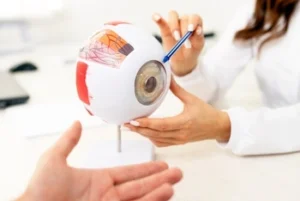 Immediate Recovery After Surgery
After retinal detachment surgery, it is common to notice blurred vision and mild discomfort in the affected eye. Your eye specialist may recommend eye drops to help prevent infection and support healing.
Following your surgeon’s guidance on maintaining eye pressure and caring for your eye is essential for a smooth recovery.
Face-Down Recovery
For some types of retinal surgery, you may be asked to lie face down for a period of time.
This positioning helps support the retina during the early stages of healing. While it may require some adjustment, following these instructions carefully can help achieve a favourable recovery.
Managing Discomfort
Mild eye pain or a sense of pressure is a normal part of the early recovery period. This discomfort is usually manageable with medications prescribed by your eye doctor and tends to improve over the first few days.
If you feel severe pain, sudden changes in vision, or other concerning symptoms, contact your eye surgeon promptly, as these may indicate a complication.
Returning to Daily Activities
Life after retinal detachment surgery involves gradually reintroducing your usual activities.
Many people can resume light tasks within a few weeks, but it is important to avoid activities that strain the eyes or raise eye pressure during the early stages of recovery.
Protecting Your Vision
Your eye doctor may recommend using an eye shield or sunglasses to protect the affected eye from bright light and accidental bumps.
Taking simple precautions in the first few weeks can support healing and help maintain the progress achieved through surgery.
Eye Drops and Medication
Following your prescribed eye drop schedule is an important part of post-surgery care. These medications help lower the risk of infection and manage inflammation, creating optimal conditions for the retina to heal.
Your ophthalmologist will provide clear instructions to ensure you use them correctly and consistently.
Monitoring Progress
Regular follow-up appointments are an essential part of post-surgery care. During these visits, your eye doctor will:
- Examine the back of the eye and assess retinal reattachment
- Monitor eye pressure and overall healing
- Identify any new retinal tears or complications early
Key points to keep in mind include:
- Side vision may take longer to stabilise than central vision
- Residual floaters or faint shadows are common during recovery
- These visual effects usually diminish as the vitreous cavity and retinal tissues settle
By staying attentive to your eye health and following your surgeon’s guidance, you can support your recovery and monitor progress effectively.
Lifestyle Considerations
Adjusting to life after retinal detachment surgery often involves temporary modifications to daily activities. Following your eye doctor’s guidance helps protect your recovery and supports a favourable outcome.
Travel and Altitude
Changes in altitude, specifically while flying, can affect your eye pressure. Your eye surgeon will provide personalised advice on when it is okay to travel, ensuring your eyes have stabilised before any altitude changes.
Physical Activity
Maintaining overall health is important, but certain activities should be limited during recovery. Consider the following guidelines:
- Avoid high-impact exercises, heavy lifting, or activities that place strain on your eyes
- Follow your eye doctor’s instructions before resuming more strenuous activities
By gradually reintroducing normal activities and taking precautions, you can support your healing process while protecting your vision.
Potential Risks and Considerations
Retinal detachment surgery is generally okay, but, like any procedure, it carries risks. Awareness of these risks and following your eye doctor’s guidance can help support a smooth recovery.
Key Considerations
 Potential complications may include:
- Further retinal tears or detachment
- Eye infection
- The need for additional surgery
Monitoring eye pressure is particularly important in the weeks following surgery, as elevated pressure can affect the retina and surrounding blood vessels. Your eye doctor may prescribe treatment if needed to maintain optimal eye health.
Warning Signs to Watch For
Contact your eye doctor promptly if you notice:
- Worsening vision or sudden loss of vision
- New floaters or flashes of light
- A dark shadow or curtain in your visual field
Vision Recovery
Recovery varies between individuals. Some patients notice improvements soon after surgery, while others notice changes gradually over several weeks. Peripheral vision may take longer to stabilise, and mild visual effects, such as floaters or faint shadows, may persist temporarily.
Long-Term Outlook
After retinal detachment surgery, many patients experience improvements in both central and peripheral vision.
While some visual changes may persist, following your eye doctor’s guidance on follow-up care and lifestyle adjustments can support long-term eye health.
Ongoing Eye Care
Even after recovery, regular eye examinations remain important. People who have experienced a retinal detachment have a higher risk of future retinal tears.
Routine check-ups allow your eye doctor to detect issues early, ensuring timely treatment and helping protect your vision in the long term.
Frequently Asked Questions
How long does recovery take after retinal detachment surgery?
Recovery times can vary between individuals. Many patients notice noticeable improvement within a few weeks, while complete visual recovery may take several months as the eye continues to heal.
Will I need a second surgery?
In some cases, additional procedures may be required if the retina detaches again or if complications arise. Your eye doctor will monitor your progress during follow-up visits and advise if further treatment is necessary.
Are there long-term restrictions?
Most patients can gradually return to normal activities. Temporary precautions, such as avoiding high-impact exercises or activities that could cause eye trauma, may be recommended until your eye doctor confirms it is okay.
Is recovery different for one eye or both eyes?
Recovery and visual adjustment can differ depending on which eye was affected. Your ophthalmologist will provide personalised guidance based on your specific situation to support optimal healing.
Can I use both eyes normally after surgery?
 Most patients can use both eyes normally once the affected eye has healed. Your eye doctor may advise temporary adjustments to reduce strain during the early recovery period.
Will my second eye need treatment?
If the other eye shows signs of risk, your ophthalmologist may recommend preventative measures or monitoring, but treatment is only needed if a problem arises.
Conclusion
Life after retinal detachment surgery involves careful management, regular follow-up, and gradual adjustment to daily activities. By following your eye surgeon’s guidance, using prescribed eye drops, maintaining protective measures, and recognising symptoms that require attention, you can support your recovery effectively.
While some visual changes may persist, many patients experience stabilisation of vision, allowing them to resume many aspects of normal life. Working closely with your ophthalmologist and paying close attention to your eye health ensures that your recovery journey is both smooth and well-informed.
If you’ve recently experienced a retinal tear or detachment, or if you have questions about recovery after retinal detachment surgery, it’s important to seek personalised guidance.
Call Dr Anton Van Heerden at 03 9000 0389 to take the first step towards optimising your recovery and protecting your vision.
Note: Any surgical or invasive procedure carries risks. Before proceeding, you should seek a second opinion from an appropriately qualified health practitioner.
References
Bedinghaus, T. (2025, April 22). Detached Retina: Causes and Symptoms. Verywell Health. Retrieved November 10, 2025, from https://www.verywellhealth.com/retinal-detachment-3422079
Foulsham, W., Chen, X. N., & Vavvas, D. G. (2021). ALTITUDE-ASSOCIATED INTRAOCULAR PRESSURE CHANGES IN A GAS-FILLED EYE. Retinal Cases & Brief Reports, 15(5), 564–567. https://doi.org/10.1097/icb.0000000000000852
Wallis, K. (2024, October 30). How Soon Can Retinal Detachment Cause Blindness? Medical News Today. Retrieved November 10, 2025, from https://www.medicalnewstoday.com/articles/how-long-before-retinal-detachment-causes-blindness

For many people, living with blurred vision can be frustrating. Whether you wear glasses or contact lenses, the daily routine Read more

If you or someone you care about has been prescribed beta blockers as part of an eye care plan, you Read more

Sudden blurry vision in both eyes can be rather distressing. One moment, your vision is fine, and the next, the Read more

Blurry vision in one eye can be unsettling, especially when it appears suddenly. If you've found yourself asking why your Read more
Recent Comments