

Cataracts are one of the most common causes of vision changes as we age, yet many people don’t fully understand what causes cataracts to form in the first place. In this article, we’ll explore the key reasons why cataracts develop, what they can mean for your eyesight, and how to recognise the signs early.
By learning more about cataracts, their causes, and how they affect your vision, you can feel more empowered to take steps towards maintaining clear, healthy sight.
Let’s dive in.
What Are Cataracts?
Cataracts refer to the clouding of the eye’s natural lens, located behind the coloured part of your eye (the iris). This clouded lens can cause your vision to become blurry, hazy, or less vibrant over time.
How Cataracts Develop
By default, the lens of your eye is clear and helps focus light directly onto the retina, allowing you to see sharply. Over time, the proteins inside the lens can break down or clump together. This clumping results in a cloudy lens.
What Causes Cataracts In Eyes?
Cataracts can form for a number of reasons. While age is the most common cause, it’s not the only one.
- Ageing: As you age, the proteins in the lens naturally begin to break down. Most cataracts develop slowly over time, particularly after the age of 60.
- Family History of Cataracts: Genetics play a role. If you have a family history of cataracts, you may be more likely to develop them yourself.
- Prolonged Exposure to Ultraviolet Light: Spending long periods in the sun without proper eye protection might increase your risk of cataracts. Ultraviolet radiation can speed up lens damage.
- Eye Injuries: An eye injury, even one from many years ago, can trigger cataract formation. These are called traumatic cataracts.
- Previous Eye Surgery: Surgeries performed on other parts of the eye can sometimes lead to cataracts developing as a side effect.
- Medical Conditions: Certain medical conditions, such as diabetes, can increase the risk of cataracts. Conditions that affect the body’s metabolism can impact the eye’s lens.
- Long-Term Use Of Certain Medications: Prolonged reliance on corticosteroids or other medications can lead to cataracts forming, particularly the posterior subcapsular cataract type.
- Smoking: Tobacco has been found to increase the risk of cataract formation. It may accelerate oxidation in the lens.
- Too Much Alcohol: Consuming too much alcohol regularly can also lead to an increased risk of developing cataracts.
Symptoms Of Cataracts
While cataracts usually progress slowly, there are several early signs you can watch out for.
- Blurry Vision: One of the most common signs of cataracts is blurry vision, especially when trying to read or focus on fine details.

- Double Vision: You may experience double vision even when looking through one eye, which is often due to irregularities in the lens.
- Glare or Halos: Lights may seem too bright or produce a glare or halo, especially when driving at night.
- Trouble Reading: You may notice trouble reading, particularly in dim lighting.
- Needing Brighter Light: You might find yourself requiring a brighter light to complete tasks that once felt easy, like watching TV or reading.
- Colours Appearing Faded: Colours may look duller or more faded, often due to the clouding of the lens.
- Difficulty With Night Vision: Cataracts affect your ability to see clearly in low-light environments, like when driving at night.
Types Of Cataracts
Understanding the different cataract types can help you recognise your symptoms and treatment options. Here are a few types to consider other than traumatic cataracts:
1. Nuclear Cataracts
These form in the centre (nucleus) of the lens and are among the most common age-related types. Vision may gradually become yellowed or brownish, and you might notice distance vision worsening before near vision is affected.
2. Cortical Cataracts
Cortical cataracts impact the outer edge of the lens, where wedge-shaped opacities (like the spokes of a wheel) move inward. These changes can scatter light, making it harder to see clearly and contributing to glare, particularly in bright settings.
3. Posterior Subcapsular Cataracts
These cataracts develop at the lens’s back, in the posterior capsule, and can progress more quickly than other types. They often cause increased sensitivity to light, difficulty reading, and problems seeing in bright sunlight or under indoor lighting.
4. Diabetic Cataracts
People with diabetes may develop cataracts at a younger age. These cataracts may progress more rapidly and often appear as snowflake-like opacities, especially in cases of uncontrolled blood sugar.
5. Polar Cataracts
These cataracts form at the front (anterior polar) or back (posterior polar) pole of the lens. Posterior polar cataracts can be more visually significant and may pose challenges during surgical removal.
6. Congenital Cataracts
Some patients are born with cataracts or develop them in early childhood. These are known as congenital cataracts, and infections, genetics, or developmental issues may cause them.
Detecting Cataracts
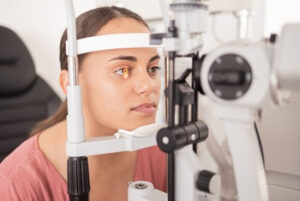
Early detection makes a big difference. Having a comprehensive eye examination can help your eye specialist spot cataracts in the early stages, even before noticeable symptoms appear.
When cataracts are diagnosed, your eye specialist will typically evaluate your vision and discuss how much your daily life is affected.
 When To Consider Cataract Treatment
If you’re in the early stages, you may simply need updated contact lenses or glasses to help improve your vision.
However, if cataracts begin to interfere with your usual activities, like reading, driving, or watching TV, your specialist may discuss cataract surgery.
What Is Cataract Surgery?
Cataract surgery is a surgical procedure where the clouded lens is removed and replaced with an artificial lens, also called an intraocular lens (IOL).
This eye surgery is typically performed using a small incision, and most people go home the same day. Many people report a noticeable improvement in clear vision after recovery, though results vary.
Can You Prevent Cataracts?
While you can’t guarantee prevention, there are lifestyle changes that may help reduce your likelihood of having cataracts.
- Wear Sunglasses: Consistently wear sunglasses that block ultraviolet light to protect your eyes’ lenses from damage.
- Manage Health Problems: Managing health problems like diabetes may reduce your likelihood of cataract development.
- Stop Smoking and Limit Alcohol: Quitting smoking and limiting alcohol can also be beneficial.
- Regular Eye Checks: Seeing your eye doctor regularly can help detect cataracts early and monitor your overall eye health.
Frequently Asked Questions
Can cataracts go away on their own?
Once a cataract forms, it doesn’t go away without treatment. Cataract surgery is currently the only effective way to restore clear vision.
How long does cataract surgery take?
The procedure typically takes around 15 to 30 minutes and is often performed under local anaesthesia.
Are cataracts contagious?
No. Cataracts are not contagious and cannot be passed from one person to another. They develop internally within the eye due to physical or environmental factors.
Conclusion
Understanding cataract causes is an important step in protecting your vision for the future. From congenital cataracts to those related to age or medical conditions, cataracts can affect anyone.
 The good news is that by making thoughtful lifestyle choices, you can play a proactive role in your eye health.
And if you do need cataract treatment, your eye specialist can guide you through the next steps with care, clarity, and support tailored to your needs.
Cataracts may be a common part of ageing, but that doesn’t mean you need to accept reduced vision.
With the right knowledge and support, you can move forward with confidence, whether you’re monitoring symptoms of cataracts or preparing for cataract surgery.
If you’re noticing changes in your vision or want to understand better what causes cataracts, now is the time to take the next step. A comprehensive eye examination in Melbourne can help detect early signs and provide personalised guidance for your eye health.
Book a consultation with Dr Anton Van Heerden at 03 9000 0389. We’re here to support you with clear information and caring advice every step of the way.
Note: Any surgical or invasive procedure carries risks. Before proceeding, you should seek a second opinion from an appropriately qualified health practitioner.
Sources
Boyd K. What Are Cataracts? [Internet]. Turbert D, editor. American Academy of Ophthalmology. 2024 [cited 2025 Jun 18]. Available from: https://www.aao.org/eye-health/diseases/what-are-cataracts
Pietrangelo A. Cataract Symptoms and How to See Better [Internet]. Verywell Health. 2025 [cited 2025 Jun 18]. Available from: https://www.verywellhealth.com/cataracts-11691716
Yetman D. What to Know About Posterior Subcapsular Cataracts [Internet]. Healthline. 2024 [cited 2025 Jun 18]. Available from: https://www.healthline.com/health/eye-health/posterior-subcapsular-cataract
Smoking Linked to Early Vision Loss and Cataracts [Internet]. World Health Organization (WHO). 2022 [cited 2025 Jun 18]. Available from: https://www.who.int/news/item/20-10-2022-smoking-linked-to-early-vision-loss-and-cataracts


Recent Comments